Tell us about the job
Takes about a minute. No obligation.
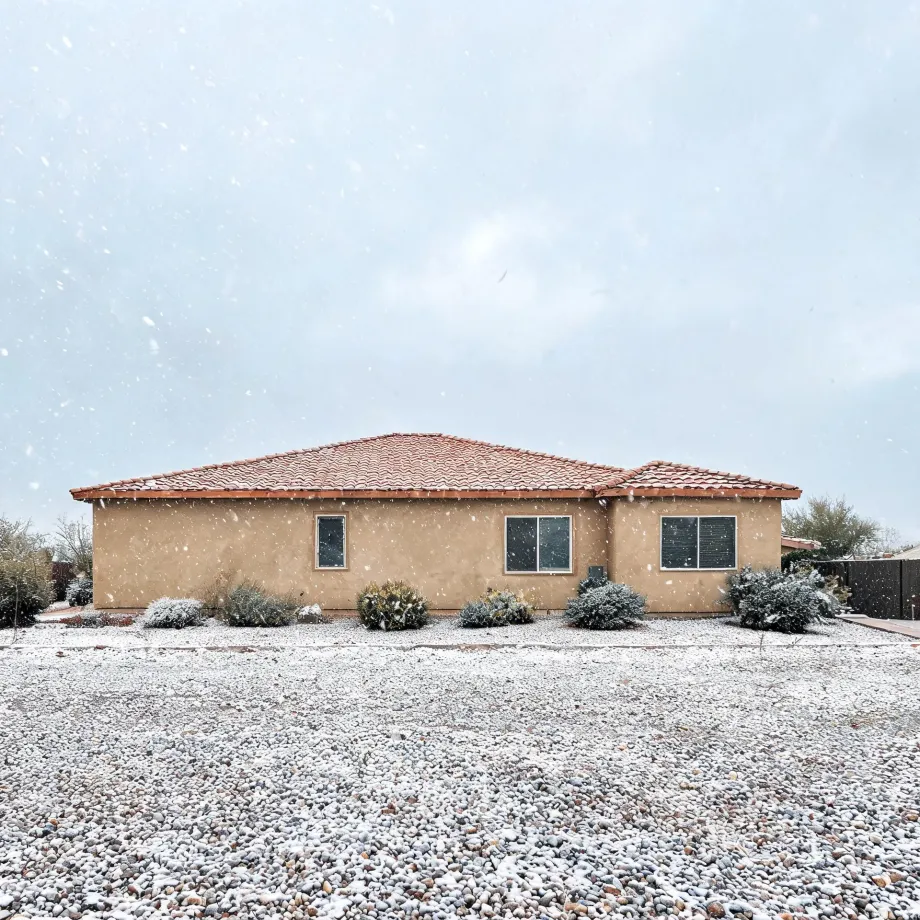
A heat pump running heat in this county puts its hardest miles on the refrigerant circuit and the reversing valve, the components that take the mechanical load of every heating cycle. Homes in Bernalillo County, NM run heat about seven months a year, from October through April. Capacity falls as outdoor temperatures drop, so the system works against resistance through the coldest months, and that resistance shows up in the compressor and the valve sooner than it does in milder climates. A contractor tracing a fault here checks refrigerant charge and reversing valve function first, because those two items account for most of what breaks during a long heating run.
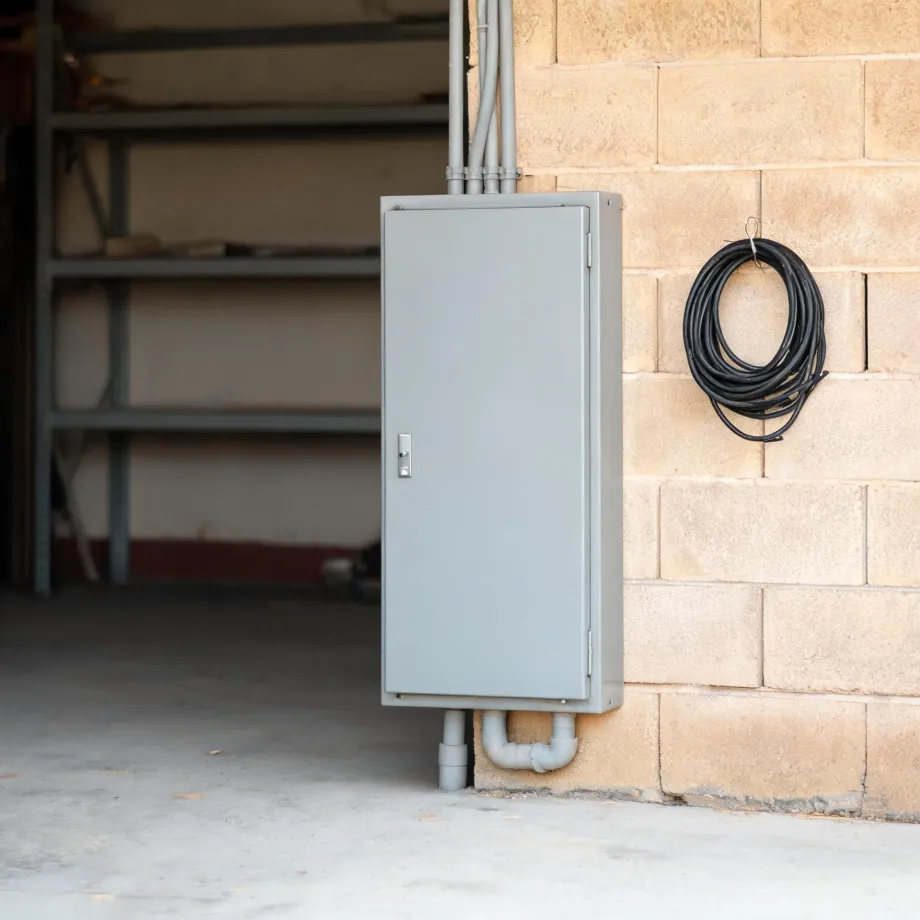
Ducting and wiring in a house get replaced when something fails or a system changes, but the heat pump itself accumulates what the climate asks of it season after season. Half the homes in Bernalillo County, New Mexico were built in 1982 or earlier (2020-2024 ACS 5-year). A contractor opening a unit here finds compressor valves, contactors, and refrigerant lines that carry the record of those years, and whether a part is still available for a system of that vintage shapes the repair scope as much as the diagnosis does. Some components are still manufactured; others are not, and that gap decides whether a repair is a straightforward fix or a conversation about something larger.
The Parts of a Heat Pump a Contractor Checks First
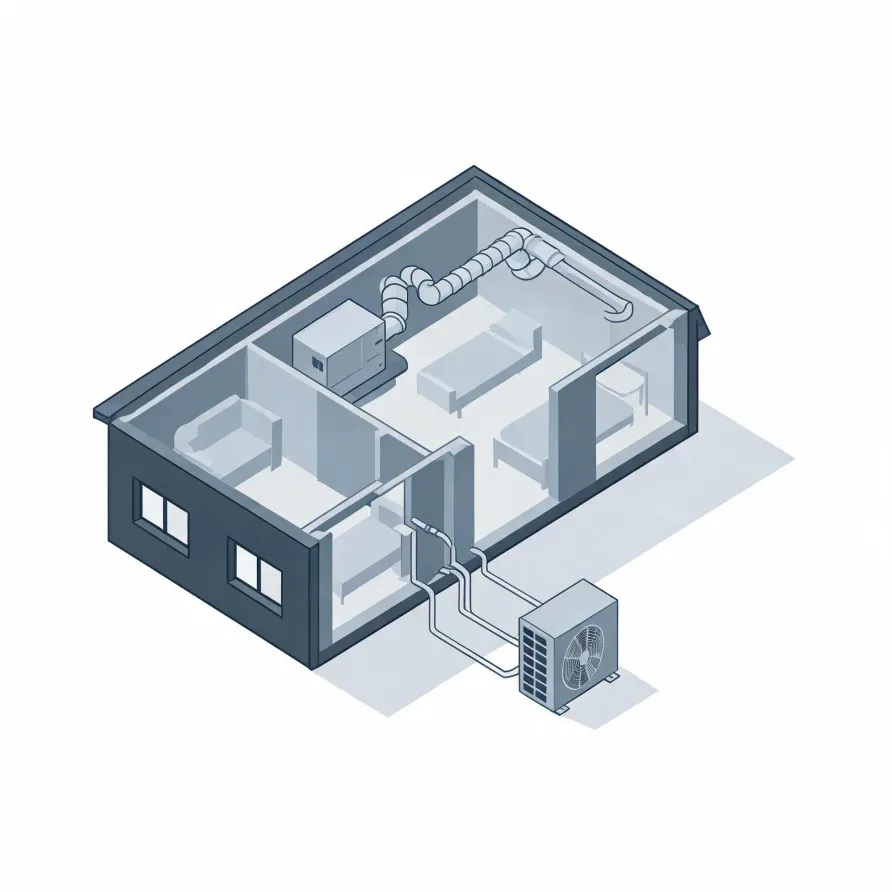
The outdoor unit sits on a pad beside the house and holds the compressor and the condenser coil. These are the parts that do the heaviest work, so when a heat pump stops heating or cooling properly, a contractor starts here. A failed compressor, a refrigerant leak at the coil, or a burned contactor all show up in this cabinet.
Inside the house, the air handler contains the blower motor and the evaporator coil. The expansion valve, which controls refrigerant flow between the two coils, can also be the source of a problem. Connecting the two units is the refrigerant line set, which runs through the wall and can develop leaks or restrictions that affect the whole system.
The drawing shows a typical layout, and a licensed contractor determines which parts apply to your specific setup.
Get matched in Bernalillo CountyBernalillo County by the numbers
302 severe weather events were recorded in Bernalillo County, New Mexico between 2015 and 2024.
NOAA National Centers for Environmental Information, Storm Events Database, bulk CSV export, events 2015-01-01 through 2024-12-31.Half the homes in Bernalillo County, New Mexico were built in 1982 or earlier (2020-2024 ACS 5-year).
U.S. Census Bureau, 2020-2024 American Community Survey 5-Year EstimatesBernalillo County, New Mexico holds 302,746 housing units (2020-2024 ACS 5-year).
U.S. Census Bureau, 2020-2024 American Community Survey 5-Year EstimatesOwners occupy 64.5% of the occupied homes in Bernalillo County, New Mexico (2020-2024 ACS 5-year).
U.S. Census Bureau, 2020-2024 American Community Survey 5-Year EstimatesCodes & Standards Governing Heat Pump Repair in Bernalillo County, New Mexico2 sourced rules and standards
Licensing and Legal Requirements in Bernalillo County, New Mexico
New Mexico’s contractor licence does not reach casual, minor or inconsequential work taken one project at a time and totalling no more than seven thousand two hundred dollars ($7,200) a year — but the exemption has to be declared to the division, it is not automatic.
New Mexico requires a contractor licence classified for the work being done: no person may act as a contractor without one, and mechanical work falls to the division’s mechanical bureau.
Severe Weather Events in Bernalillo County
Extreme weather puts real stress on heat pump systems, which have to work harder and longer to hold indoor temperatures steady when outdoor conditions swing. Repair demand in Bernalillo County follows what the weather does, so the pattern of recorded storm events here is part of the picture for anyone keeping this equipment running.
302 severe weather events, 2015–2024. Source: NOAA National Centers for Environmental Information, Storm Events Database.