Running the way it should
On a cold morning the outdoor unit hums along steady, pulling warmth from air that feels too cold to give any up. You might see frost on the coil. That's normal, the system clears it on its own in a short defrost cycle.

Winter nights in New Mexico can drop well below freezing, especially up in the higher elevations around Santa Fe and Albuquerque's east side. If you've got a heat pump, you've probably noticed it running longer, or working harder, once the cold really sets in. You're wondering if there's a point where it just stops being able to keep up, and what that means for keeping the house warm those nights.
A heat pump pulls heat out of the outside air, and the colder that air gets, the less heat there is to pull. Somewhere around 30 to 35 degrees, most units start losing real capacity, and below the teens or single digits, they can stop keeping up with the house entirely. In New Mexico, that matters most in the higher, colder parts of the state, where winter nights regularly fall into that range. Since most homes here heat with gas, many heat pumps are paired with a gas furnace as backup, which kicks in automatically when the outside temperature drops too low for the heat pump alone. If yours isn't paired that way, those cold nights are where you'll notice the gap.

On a cold morning the outdoor unit hums along steady, pulling warmth from air that feels too cold to give any up. You might see frost on the coil. That's normal, the system clears it on its own in a short defrost cycle.

An older unit working through a hard freeze may ice over and stay that way, or run long stretches without the house warming up. Refrigerant lines along the foundation and weathering on the cabinet are signs it's working harder than it should.




This is where most heat pumps start losing ground. The compressor still runs, but it can't pull enough heat from that cold outdoor air to keep pace with the house.
A gas furnace or electric strips pick up the difference on the coldest New Mexico nights. If that handoff isn't set up right, you'll notice it in the room temperature or the bill.
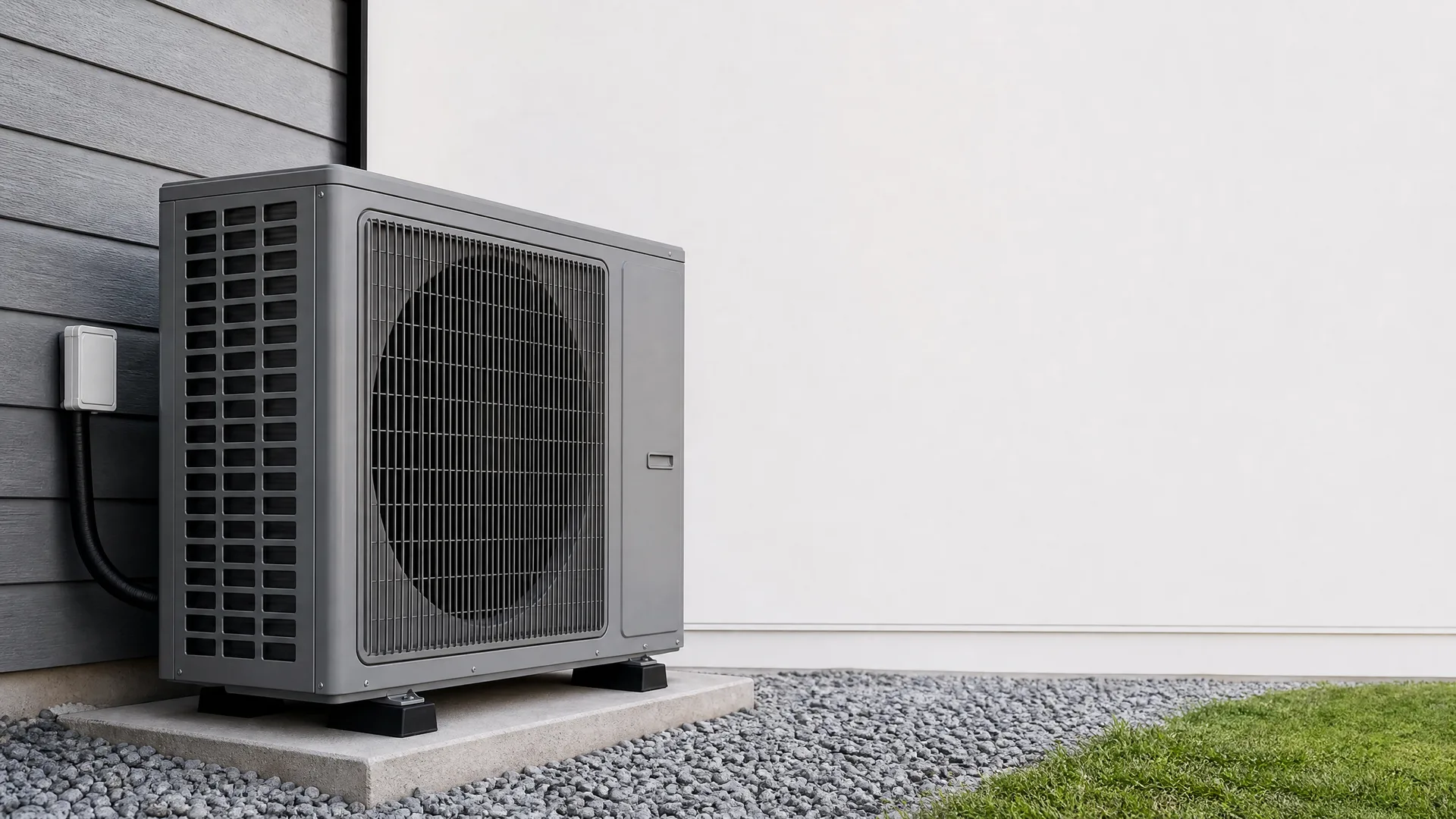
On the coldest mornings, the vents blow air that feels cooler than usual, even though the system is running hard. That's the heat pump losing ground to the outdoor temperature, not a sign it's broken. If backup heat is working right, you shouldn't feel a cold spell in the house, just a shift in how the air feels at the register. If the house actually gets cold, the backup isn't kicking in when it should.
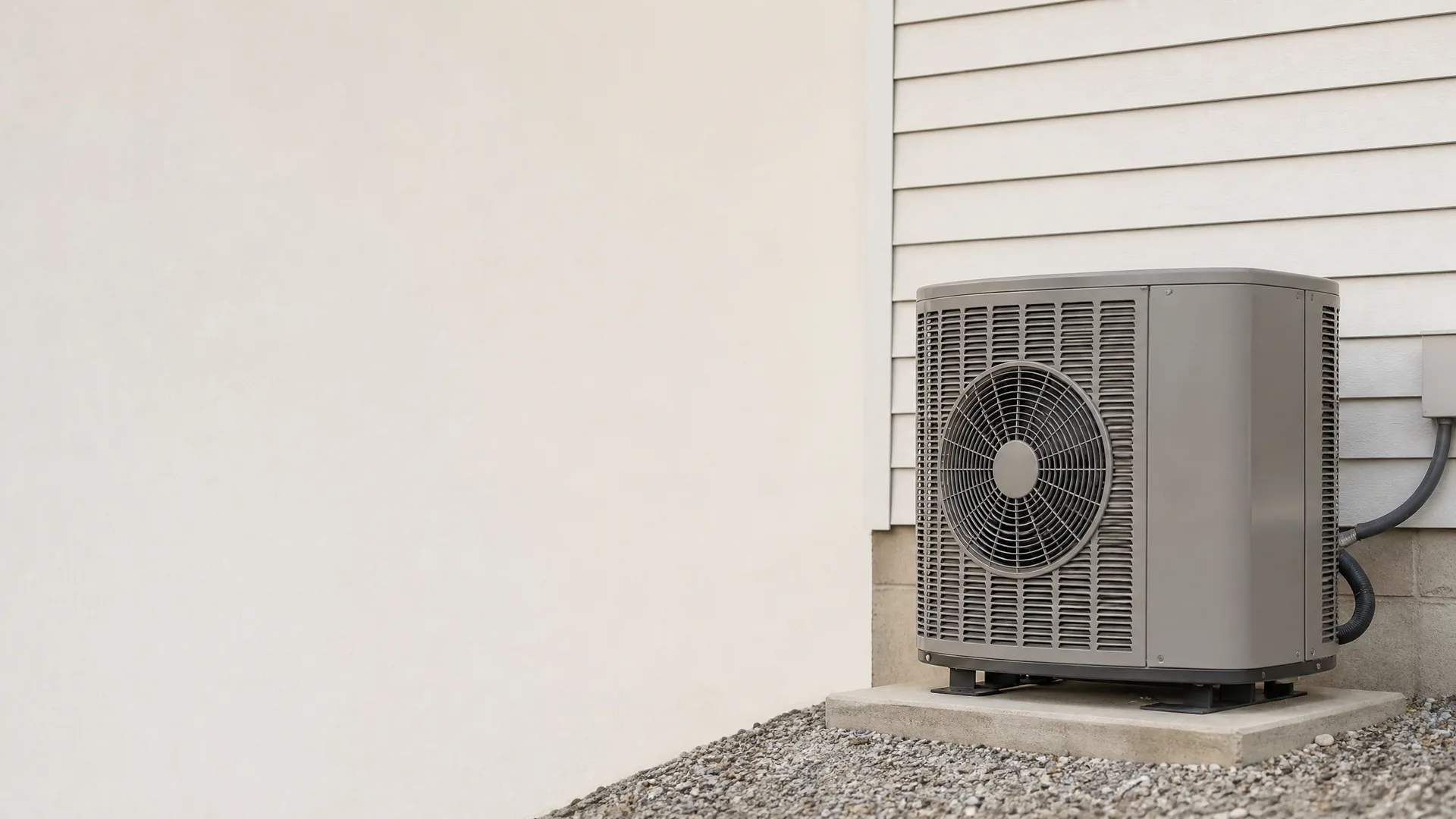
Every hour the heat pump runs without backup kicking in below that 25 to 30 degree mark, it's drawing more power to do less work. Electric use climbs on those mornings whether or not the house feels any warmer. A system sized and installed for New Mexico's winter lows should hand off to backup heat before that happens, keeping the compressor from straining for no gain.
At 14.85 cents per kilowatt-hour, running a heat pump through a cold snap costs more than it would in a lot of other states. Most homes here lean on gas furnace backup once temperatures drop, which keeps that cost in check compared to electric strips doing all the work.
EIA-861 2025 statewide residential average
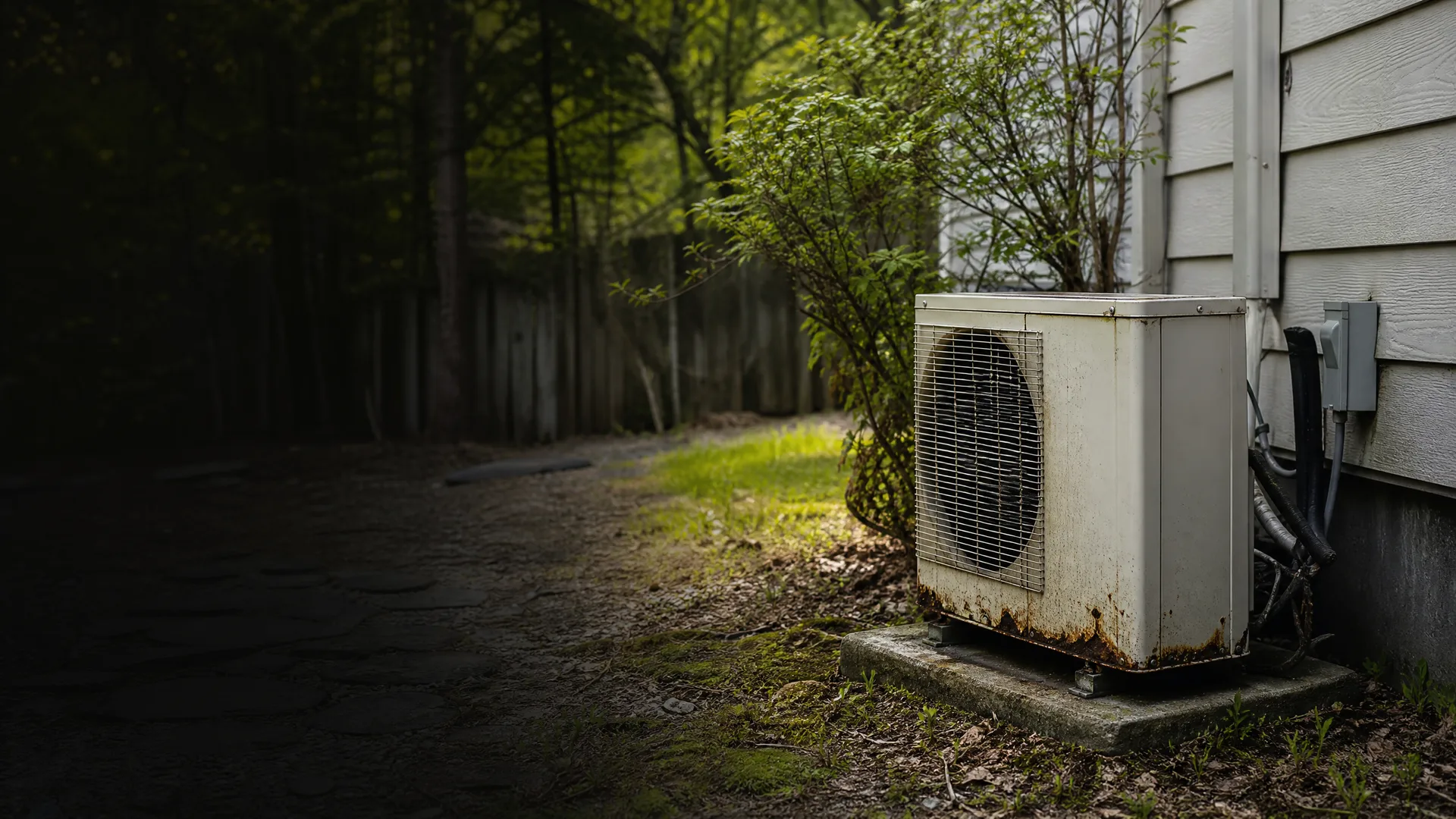
It's late morning in March, warm enough that you're out in the side yard without a jacket. The outdoor unit sits against the house, and you stop when you see it, rust crawling along the base where the metal meets the concrete pad. You crouch down and run a finger along the edge. It's been there through a few winters of frost and thaw, you figure, and you wonder how much of the cabinet underneath still looks the way it did when it went in. You've never had anyone out to look at the install itself, just the yearly service. Standing back up, you think it might be time to have someone who knows this equipment take a real look at the unit, not just what it's doing, but how it was put in.
The pro who reaches out is licensed in New Mexico.
Sending the form costs nothing.
A heat pump isn't just running the same way all winter. When frost builds on the outdoor coil, the system reverses the refrigerant flow for a few minutes, the same reversing valve that switches it between heating and cooling your house does this job too. That sends warm refrigerant outside instead of in, melting the frost off the coil. The outdoor fan shuts off during this, so if you're outside and hear the unit go quiet for a bit, that's not a breakdown. It's doing what it's supposed to do.
A sensor on the outdoor coil watches the temperature and starts this process on its own. You won't see a switch or a button for it anywhere. On the coldest mornings, your thermostat might bring on backup heat, gas furnace or electric strips depending on your setup, to cover the short dip while the outdoor unit is busy clearing frost instead of pulling in warmth. Where that backup kicks in is called the balance point, and it's set when the system is installed, based on the size of the unit and the house it's heating. Get that wrong during installation and you'll either run backup heat more than you need to, or not have enough of it on the coldest nights.
That reversing valve is also a common point of failure. In cold weather it can stick in one position, which is why a heat pump sometimes seems to just quit overnight instead of gradually losing ground.


You'll notice it first at the thermostat. It says the house has reached the set temperature, but the air coming out of the vents doesn't feel warm, more like lukewarm air moving past you. On the coldest mornings you might hear the system running longer than usual, or hear a click as backup heat kicks in. If that backup isn't working right, the house takes longer to warm up and stays a few degrees under what you set, especially in rooms farthest from the furnace. Left alone through a hard winter, a heat pump leaning on backup heat that isn't keeping pace means higher gas or electric bills and a house that never quite catches up on the cold mornings.


A heat pump installed by someone who skips the load calculation might size the unit wrong for your house, and it'll struggle on the first hard freeze whether it's rated for cold climates or not.
A heat pump sized and installed to match your house, with backup heat set up to take over at the right temperature, keeps running the way it's supposed to long after that first winter.


Summer here is a different kind of load on the system. Dew points average 45°F across June, July and August, based on NOAA climate data for New Mexico, which is dry compared to a lot of the country. That dry air makes it easier for a heat pump to pull moisture out of the house, so cooling doesn't have to work as hard to leave the air feeling comfortable. It's the winter side where sizing and installation matter more. A heat pump put in by someone who ran the numbers for your house, not just your zip code, is what keeps both seasons working the way they should.
NASA POWER T2MDEW county cells weighted by homes
So the real answer is that most heat pumps start losing ground somewhere around 25 to 30 degrees outside, and on the colder mornings here, from Santa Fe to the east side of Albuquerque, backup heat is what carries the house the rest of the way. That's not a flaw, it's how the system is supposed to work, as long as it was sized and installed right in the first place. A lot of what makes a heat pump struggle more than it should traces back to installation, not the cold snap itself. If yours needs a look, you're better off with one local contractor who works on heat pumps through winters like this and knows what tends to go wrong when the backup heat kicks in, rather than a handful of different companies sizing things up over the phone. Someone who's licensed to do the work in New Mexico and sees this same setup, gas furnace backup, electric heat pump, every cold snap, is the one who can tell you whether what your system is doing is normal or not.

You're not committing to anything by asking.
A local contractor who installs heat pumps in New Mexico knows how to size backup heat for nights that drop into the teens, not just the mild mornings. Getting that matched to your house now means fewer cold mornings where the vents run but the air never quite feels warm.
