

Is a cold-climate heat pump worth it in New Mexico

A local installer who puts in heat pumps gets your project.

Find my pro

A cold-climate heat pump is usually not worth the extra cost in New Mexico. Those units are built to keep pulling heat from outside air down into very low temperatures, and most of New Mexico doesn't stay cold long enough or hard enough to need that. Winters here are milder than the climates that model is designed for, and most homes already heat with gas, so the heat pump's job is often just to handle cooling. A standard heat pump does that well, and summers here are hot and dry, which is where it earns its keep. If your home has no gas line and leans on the heat pump for winter heat too, the extra low-temperature performance matters more, and the math changes. For most homeowners here, the standard system covers what the climate actually asks of it.

A gray outdoor condenser unit on a raised pad beside a house with horizontal lap siding, with refrigerant lines, conduit and an electrical disconnect box on the wall, and shrubs on a mulch bed to the left.

Heat pump running clean

A heat pump that's sized right for your house keeps the coil and cabinet clean, the lines intact, and the disconnect box secure. Airflow stays steady across the coil, so it doesn't have to work harder than the New Mexico weather actually demands. This is what a cold-climate unit looks like when the extra capacity it's built for just isn't being asked for.


An outdoor air conditioner condenser unit on a gray composite pad beside a house with horizontal lap siding, with refrigerant lines and a conduit running to a wall-mounted disconnect box, and a shrub at left.

Heat pump working too hard

A coil caked with dust and grime can't move heat the way it should, so the unit runs longer to do the same job. In a dry climate like New Mexico's, that buildup comes from dust and yard debris more than humidity. A cold-climate heat pump pushed this hard isn't using the extra cost you paid for; it's just straining against dirt.

A gray-haired, bearded man in a dark coat dusted with snow stands smiling in a dimly lit room with a lamp, mirror, framed art, and a sofa in the background.
An older man with white hair and a beard, wearing a dark snow-dusted coat and scarf, stands in a warmly lit interior hallway with a framed landscape picture, a table lamp and a potted plant behind him, and a snowy view through a window at left.
An older man in a dark snow-flecked overcoat and scarf stands smiling in a warmly lit home entryway, with a glass-paned door showing darkness outside and a lamp-lit room visible through a doorway behind him.
An older man with gray hair and a beard, wearing a dark snow-dusted jacket and scarf, stands smiling in a warmly lit interior hallway with a lit table lamp, a vase of dried branches, and a framed picture in the background.

How a cold-climate heat pump works

  • A heat pump moves heat from outside air into your house even when it's cold, using a reversing valve to switch between heating and cooling.
  • Below a certain outdoor temperature, a standard heat pump loses enough capacity that a backup heat source has to take over.
  • A cold-climate heat pump uses a variable-speed compressor that ramps up output as the outdoor temperature drops, instead of running at one fixed speed.
  • That compressor can still draw heat from air near zero degrees, a point where a standard unit's output has usually dropped off hard.
  • Most New Mexico winters don't hold that kind of cold long enough for the extra compressor stages to matter most days.
  • Gas furnaces in most homes here already cover the coldest stretches, so the heat pump's low end rarely gets tested.

A heat pump doesn't make heat the way a furnace does. It pulls heat out of outside air and moves it inside, running the same cycle an air conditioner uses but backward, through a reversing valve. That works fine down to a point. Standard heat pumps start losing their grip on heat as the outdoor temperature drops, and somewhere in the 30s or low 40s, most of them need a backup heat source to carry the house the rest of the way.

A cold-climate model changes one thing: the compressor. Instead of running at a single fixed speed, it ramps up as the air outside gets colder, pulling harder to make up for the thinner heat available. That lets it keep drawing usable heat from air down near zero, well past where a standard unit has already handed off to backup heat.

The question for a New Mexico home is how often that low end ever gets used. Winter here dips cold at night, but it doesn't sit there for weeks the way it does in the mountain states these units are built for. Most houses here already have a gas furnace doing the heavy lifting on the coldest mornings. The variable-speed compressor in a cold-climate unit is solving a problem most New Mexico winters don't actually hand it.

A weathered outdoor condenser unit on a concrete pad beside a house with white horizontal vinyl siding, with refrigerant lines and conduit running to a wall-mounted electrical box.
Before you get your heat pump installation
A gray outdoor heat pump unit with a large fan grille sits on a concrete pad beside a house with horizontal lap siding, next to a green shrub, mulch bed, and lawn.
After you get your heat pump installation
A gray outdoor condenser unit on a concrete pad beside a white horizontal-siding house, with refrigerant lines and conduit running to a wall-mounted disconnect box, bare soil in front and a green shrub at left.

Working the way it should

A heat pump sized for your house runs with the fins clean and the grille clear, so air moves through the coil the way it's supposed to. In New Mexico's dry heat, that airflow is what keeps the unit from straining on the worst afternoons.

An outdoor air conditioning condenser unit on a concrete pad beside a house with light horizontal siding and a concrete block foundation, with bare soil and small green plants around it.

Dust and grime working against it

Caked dust on the fins blocks airflow and makes the unit pull harder to do the same job. That strain shows up on the power bill and wears on the compressor sooner than it should, standard heat pump or cold-climate.

Standard vs. Cold-Climate Heat Pump

Standard heat pump

  • Covers New Mexico's winters fine down to the temperatures most nights actually reach here.
  • Costs less to install than a cold-climate model with the same cooling capacity for your house.
  • Pairs well with a gas furnace as backup for the handful of nights that drop hard.
  • Handles summer cooling the same as any heat pump, since the compressor work is identical in that direction.
  • Parts and service are more common, since most contractors in the state stock and install this version.

Cold-climate heat pump

  • Holds its heating capacity at outdoor temperatures well below what most New Mexico winters produce.
  • Costs more upfront for a capability the local climate rarely asks the equipment to use.
  • Makes more sense in a mountain town or high valley that sees long stretches near zero than in the lower desert areas.
  • Still has to be sized to your house, so a bigger price tag doesn't mean better performance if it's oversized or undersized.
  • Pays off mainly where winter is the dominant season, which isn't the case across most of the state.
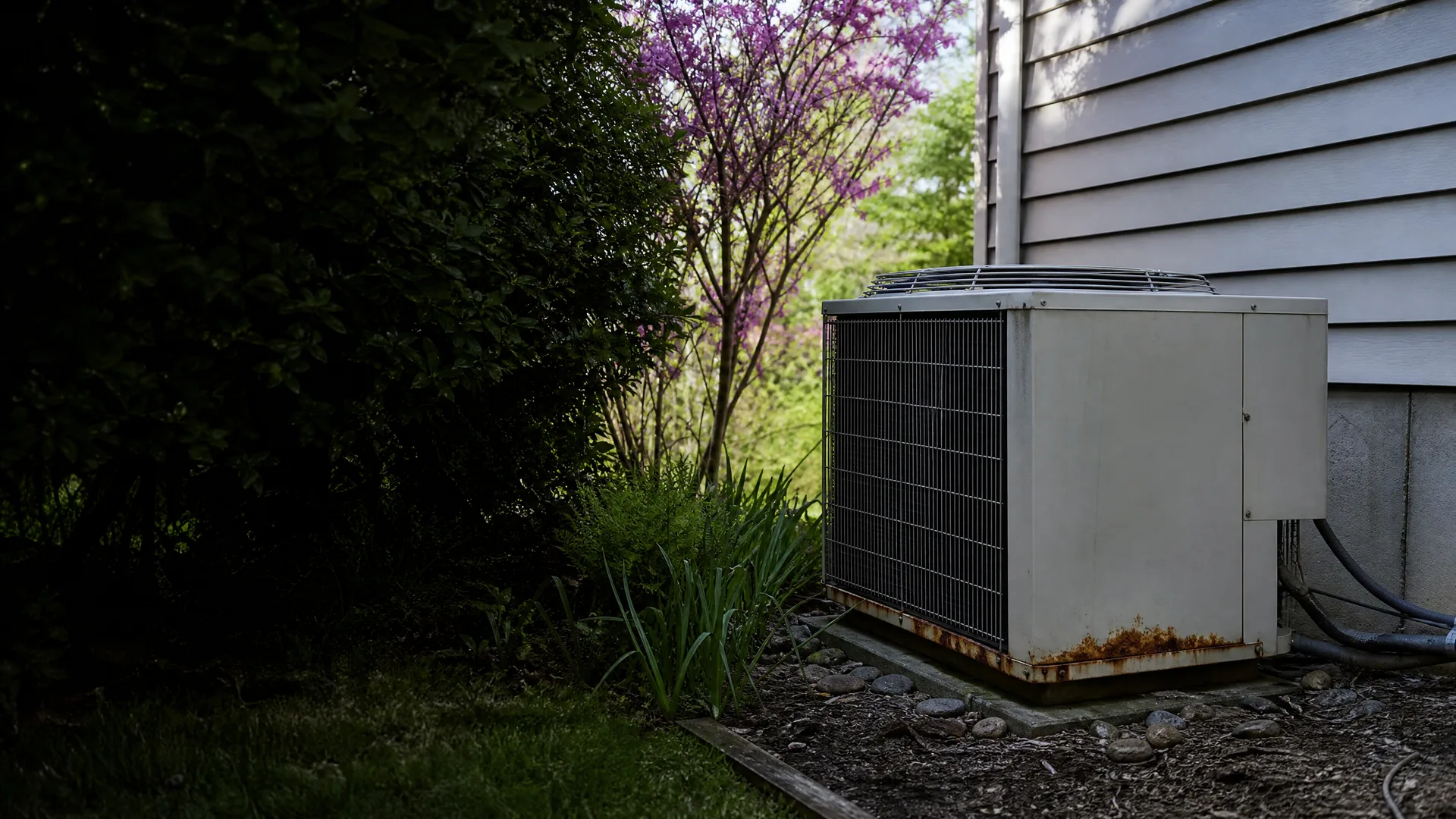
An outdoor air conditioning condenser unit with rust streaks sits on a concrete pad beside a light-colored lap-sided house, surrounded by shrubs, gravel and a flowering tree.

You walk around the side of the house to grab the hose and the old unit's sitting there in the spring sun, rust creeping up along the base where the legs meet the pad. It's been fine all winter, running whenever the furnace wasn't needed, but you notice it now because the light's different, low and clear, the kind that shows every streak on the cabinet. You crouch down and look at the rust line, wondering if it's just surface or if it's gotten into the metal underneath. You're not sure what to do with that, whether it's worth a call or worth waiting. You straighten up, still holding the hose, and decide it's worth asking someone who'd actually know.

Get the right pro for your heat pump

A standard heat pump already handles what New Mexico winters ask of it, and paying more for a cold-climate model usually buys capacity you won't use. What matters more is whether the one installed at your house is sized and set up right, matched to your home, paired correctly with your gas furnace as backup, and installed so it actually performs the way it's rated to. That's a different question for every house, and it's not one you answer by reading specs online. A contractor who looks at your home, your ductwork, and your furnace can tell you whether what you have is doing its job or costing you more than it should. Sending the request means that judgment call isn't sitting on your shoulders anymore. You get someone who's looked at the actual equipment, in your actual house, instead of guessing from a label on the box.

A two-story house with cream horizontal siding, a dark gabled roof, and a white front door, fronted by a lawn, shrubs, and a concrete walkway leading to a sidewalk and street, with large leafy trees on both sides.

New Mexico summers run dry, and that shows up in the dew point, which averages 45°F across June, July and August. That's low. Your heat pump isn't fighting moisture here the way one would in a humid state, so the coil isn't pulling much water out of the air when it's in cooling mode. The heat itself is still the hard part. On the hottest afternoons the unit is working against high temperatures, not humidity, and the strain shows up as longer run times rather than water dripping from the drain line. Source: NOAA summer dew point averages for New Mexico.

NASA POWER T2MDEW county cells weighted by homes

A gray outdoor condenser unit on a concrete pad beside a beige vinyl-sided house, with a wall-mounted disconnect box, flexible conduit, mulch bed, shrubs and a concrete walkway in front.
A heat pump that's sized for your home keeps the grille clear and the lines tight, pulling in air without strain.
A weathered gray outdoor condenser unit on a concrete pad beside a house with horizontal vinyl siding, with conduit, refrigerant lines, and an electrical disconnect box on the wall behind it.
Dust caked on the grille and dead leaves piled at the base mean the unit is working harder than it should to move air.

Power costs 14.85 cents per kilowatt-hour statewide

At 14.85 cents a kilowatt-hour, running the extra capacity of a cold-climate heat pump costs you more without much to show for it most winters. A standard unit sized right for your house gets the same job done on the nights that actually get cold here.

EIA-861 2025 statewide residential average

A woman wrapped in a cream textured blanket sits in an armchair beside a lit lamp and a dark window, with an open book in the foreground.
A bearded man in a plaid flannel shirt stands indoors looking out a frost-covered window, with a steaming dark blue mug on the wooden sill and snow-covered trees outside.

What do you notice about your heat pump in January?

On the coldest mornings, you might hear it run longer than usual, or notice the air coming out doesn't feel as warm as it did in November. If your house has a gas furnace backing it up, that's the furnace stepping in, and it's doing what it's supposed to do. What's worth paying attention to is whether the outdoor unit is icing over and staying iced, or whether the furnace seems to be carrying the whole load even on mild nights. That usually points to a heat pump that's undersized, low on charge, or losing airflow across the coil, not a case for more cold-weather capacity. Left alone, it means higher bills every month the furnace is doing work the heat pump should handle, and more wear on both systems than either should see.

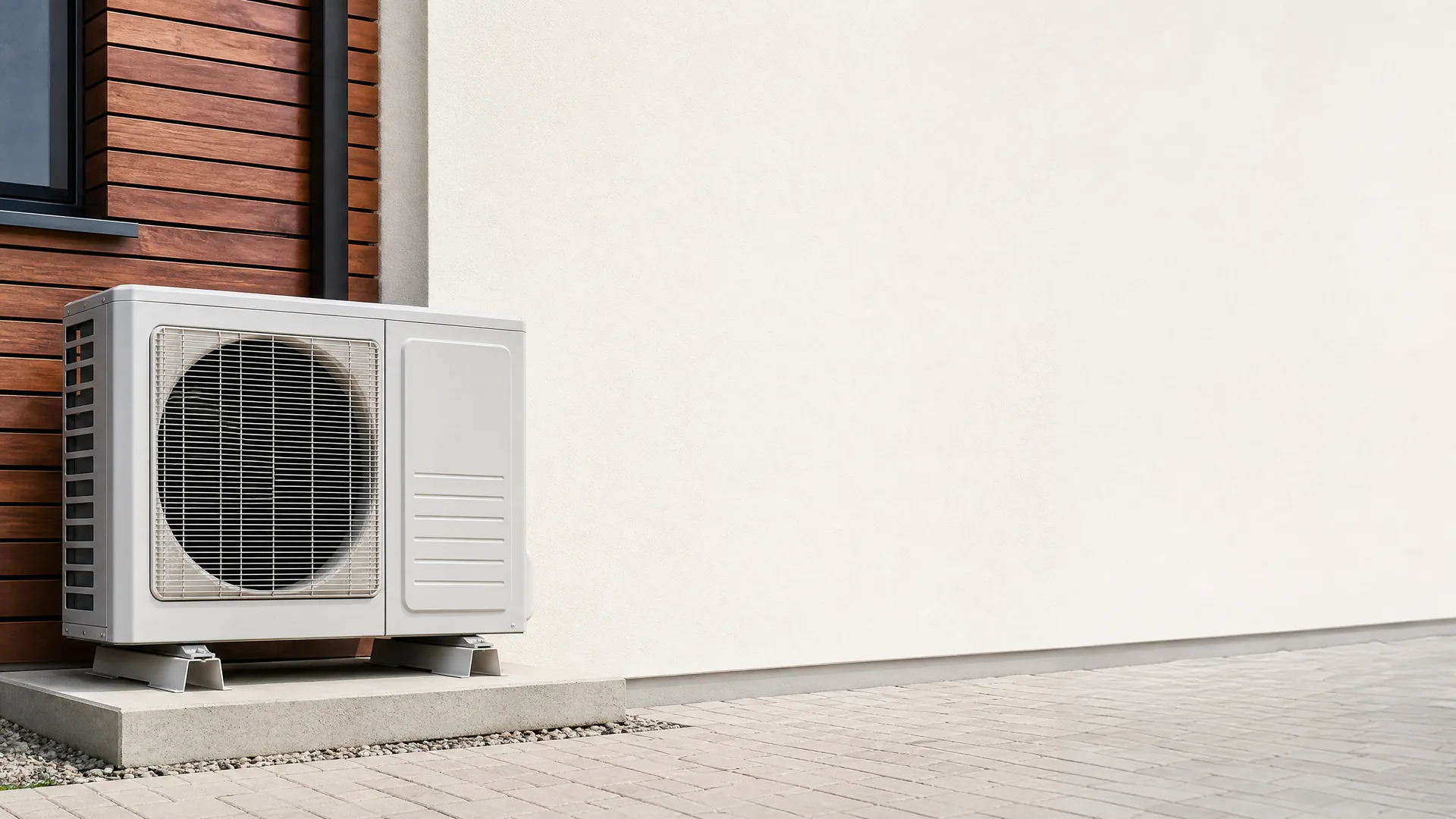
A white outdoor heat pump unit on a concrete pad beside a house with wood-slat siding and a large plain light-colored stucco wall, with paving stones in the foreground.

When a standard heat pump falls short

A standard heat pump loses capacity as the outdoor temperature drops. On a night in the teens, it may not pull enough heat out of the air to keep up on its own. If your house doesn't have a furnace or any other backup, that's when you'd feel it, the air coming out barely warm and the house losing ground. That gap is real, but it only shows up without a backup heat source in place.

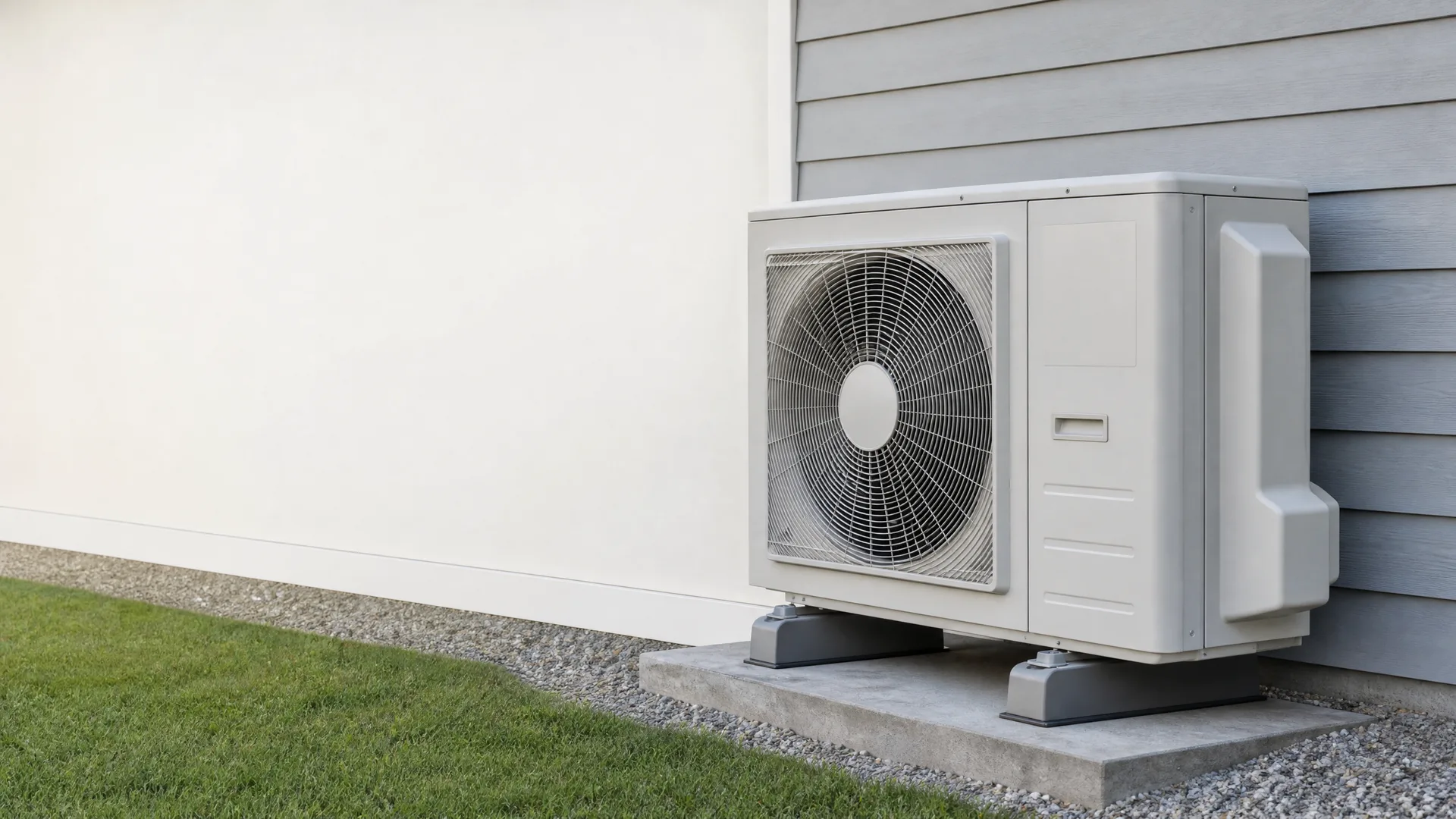
A white outdoor heat pump unit on rubber feet sits on a concrete pad beside a gray-sided house wall, next to a smooth light wall, gravel strip and lawn.

Why most New Mexico homes don't hit it

Most homes here heat with gas, so the furnace already picks up the load when the heat pump can't keep up. That's the setup a cold-climate unit is meant to replace, and it's not what most New Mexico homeowners have. With a furnace standing by, the nights cold enough to matter get handled by gas heat anyway, and the extra cost of a cold-climate heat pump buys capacity that gas was already covering.

A woman stands in the open doorway of a white stucco house holding the dark door, facing a man in a black cap and shirt seen from behind in the blurred foreground, with a potted flowering plant beside the entry.

A standard heat pump is the right call here

A standard heat pump, sized and installed correctly, does what New Mexico winters ask of it. The cold-climate version is built for places where it has to pull heat out of air far colder than what shows up here most nights. You'd be paying for capacity your house won't use.

Getting the sizing and setup right matters more than which model you buy. That's a question worth going over with someone who can look at your house and your furnace setup directly. Once you send the form, you're matched with a contractor who handles that part, and they'll reach out to go over what your home actually needs.

Interior corner of a dining room with a round wooden table, a ceramic vase holding olive branches, a dark spindle-back chair near a curtained window, and a sideboard with a lamp against beige walls.
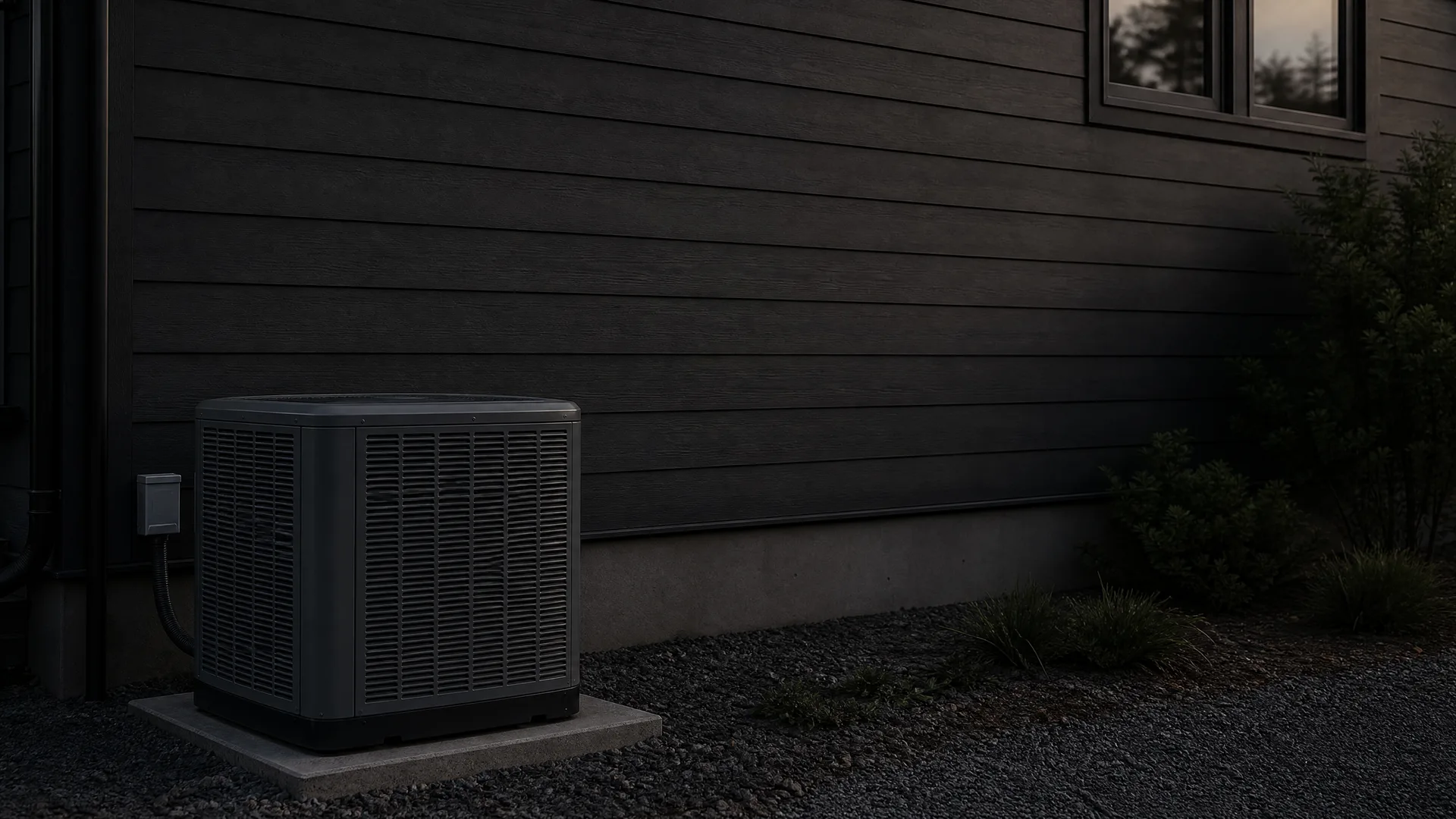
An outdoor condenser unit on a concrete pad beside a dark horizontal-lap-sided house, with gravel, shrubs and a small electrical disconnect box on the wall, in dim light.

A pro who works on heat pumps

One request ends the search for a heat pump installer.

Step 1 of 3: Equipment