







Is a heat pump cheaper to run than gas heat in New Mexico

Send the form and stop researching installers for the new heat pump.

Step 1 of 3: Equipment

Is a heat pump cheaper to run than gas heat in New Mexico?

Gas heats most homes in New Mexico, and you're weighing whether a heat pump would actually cost less to run month to month, or if that's only true in milder climates.

Usually yes, with power priced the way it is here

A heat pump moves heat instead of burning gas to make it, so it uses less energy for the same warmth. With power priced typical for the area, that usually comes out cheaper than a gas furnace month to month, especially on the mild days that make up a lot of a New Mexico winter. Where it gets closer is on the coldest nights, when a heat pump has to work harder to pull heat from cold outside air and draws more power to do it. A furnace holds steady either way, since it's burning gas no matter the temperature outside. Most homes here still run on gas, so switching means new equipment, not a swap of one part for another.

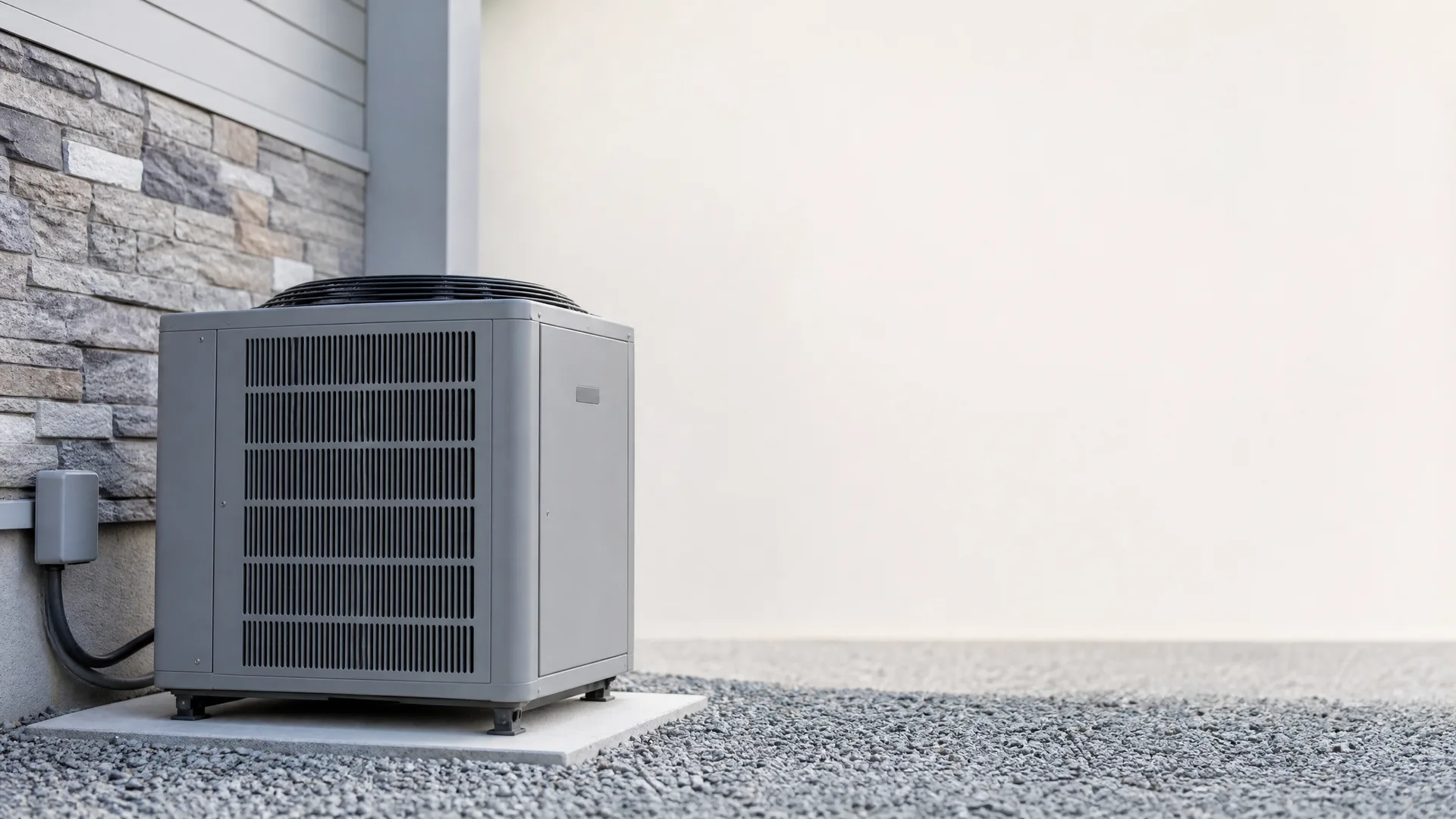
A gray outdoor condenser unit on a concrete pad beside a house with stacked stone and horizontal siding, surrounded by gray gravel and a plain light wall.

How a heat pump moves heat

A heat pump doesn't burn fuel to make heat. It pulls heat out of outside air and moves it into your house, even when it's cold out. Moving heat takes less energy than creating it, which is why a heat pump can put out more heat energy than the electricity it uses to run. Gas heat works the other way. It burns fuel and some of that heat goes out the flue instead of into your rooms.

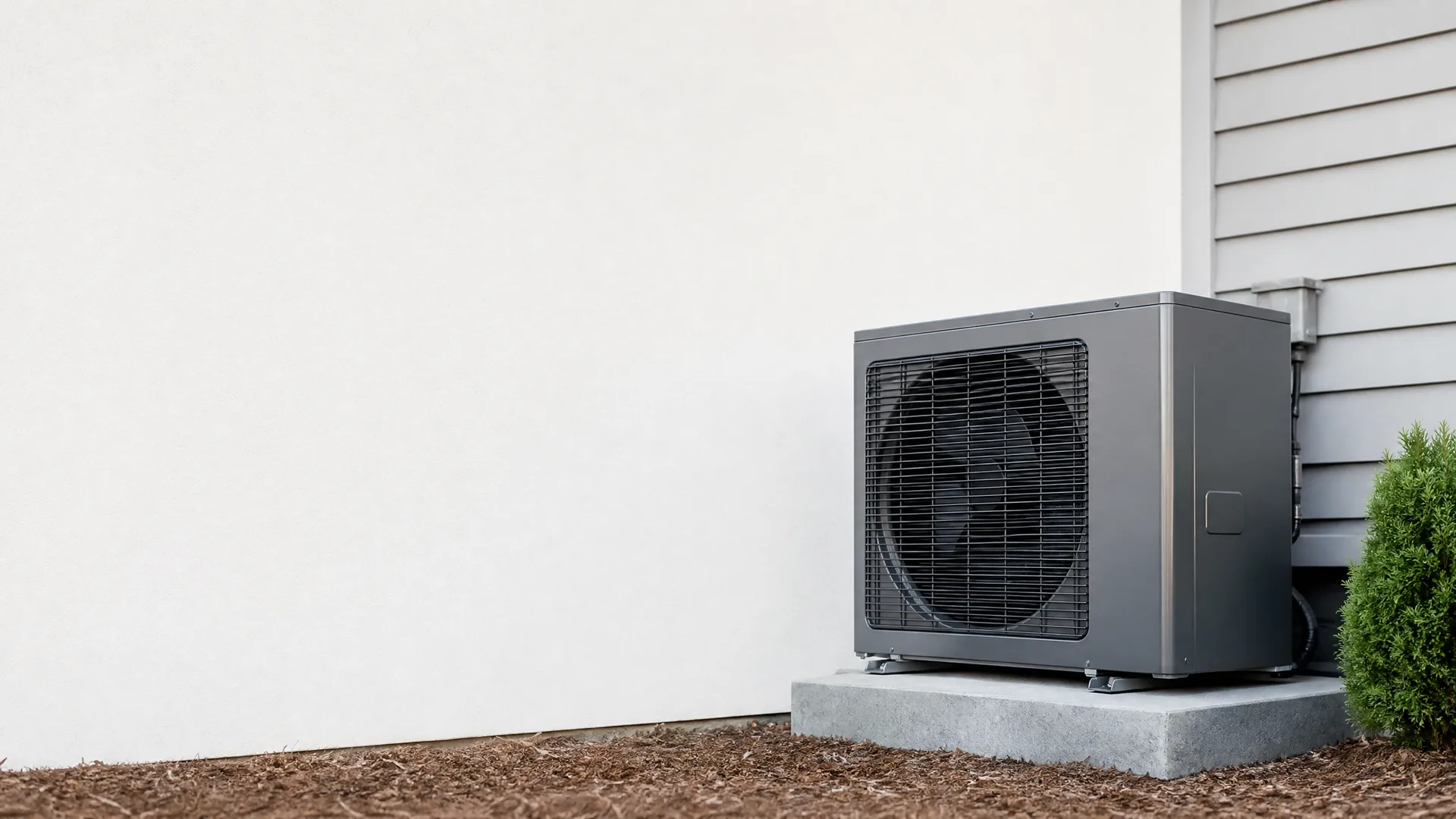
A dark gray outdoor heat pump unit sits on a concrete pad beside a white stucco wall and lap-sided house corner, with mulch and a small shrub in the foreground.

Where New Mexico helps the math

New Mexico's winters are cold but dry, and a heat pump's output drops as the outside temperature drops. On the coldest nights here, many systems lean on backup heat strips, which cost more to run than the compressor alone. Where New Mexico works in your favor is the rest of the season. Mild stretches in fall and spring are common statewide, and on those days a heat pump runs efficiently with no backup heat needed at all.

Wondering why your gas bill jumps every winter

You already know the pattern. The furnace kicks on and the gas meter starts spinning, and by the time the bill shows up you're paying for every one of those cold nights. If you're pricing out a heat pump, it's probably because you're done guessing what next winter will cost before it even gets here. A gas furnace burns fuel the whole time it runs, so the bill tracks straight with how cold it got and how long the burner stayed lit. A heat pump moves heat instead of making it, so what you'd notice switching over is a power bill that moves with the weather differently, and a gas bill that drops out of the picture for heat entirely. Your AC stays exactly as it is in July and August.

A man in a blue sweatshirt reclines with closed eyes in a brown leather armchair in a living room with a bookshelf, houseplant, sofa, window, and a side table holding newspapers and a dark mug.
A bearded man in a gray pullover reclines with closed eyes on a brown leather sofa in a sunlit room with a window, framed picture, potted plant, and a wooden cabinet holding papers and a dark mug.
A man in a gray sweater leans back with closed eyes in a brown leather armchair beside a wooden side table holding a dark mug and a folded newspaper, with bookshelves and a window seat behind him.
A man in a green sweater reclines in an armchair with his eyes closed and a slight smile, beside a window with plants, a small table holding a mug and folded newspaper, and bookshelves behind him.

Heat Pump vs. Gas Furnace

Heat Pump

  • Runs on electricity, which is priced the same whether it's heating your house or running your fridge.
  • Output drops as the outside temperature drops, so on the coldest nights in places like Taos or Chama it has to work harder to keep up.
  • Most of the year in New Mexico, outdoor temperatures stay in a range where a heat pump moves heat efficiently without much strain.
  • A backup heat source, electric or gas, carries the load on the handful of nights that get coldest.
  • The same equipment cools your house all summer, so you're not running two systems.
  • No flame, no gas line, no combustion byproducts to vent outside.

Gas Furnace

  • Burns natural gas directly, and the price of that gas moves separately from your electric rate.
  • Output doesn't drop when it's cold outside, so a furnace heats a cold snap in Gallup the same as it heats a mild night in Las Cruces.
  • Most New Mexico homes already have a gas line run to a furnace, so the fuel source is already in place.
  • You pay two utility bills instead of one, gas for heat and electricity for everything else including summer cooling.
  • A furnace needs a separate air conditioner for summer, which is its own piece of equipment to buy and maintain.
  • Gas prices and electric rates don't move together, so a furnace's running cost can shift independently of what you pay to cool your house.
  1. A compressor pulls refrigerant through the outdoor coil to grab heat.

  2. Refrigerant pressure rises, which raises its temperature further.

  3. The indoor coil releases that heat into the air moving through your ducts.

  4. A reversing valve flips the cycle to pull heat from indoor air for cooling.

A gray-haired man with a beard in a blue button-placket shirt reclines on a couch with his eyes closed, beside a sunlit window with a green plant.
A woman in a cream knit sweater sits in an armchair with her eyes closed near a window showing yellow autumn foliage, with a mug on a round wooden side table beside her.

Finding a pro stops being your job

You already know your gas bill runs high from November through February, and you've read enough now to see why a heat pump would cost less most months, running on electricity priced the same as everything else in your house. What you don't know yet is how one would actually perform on a January night in Albuquerque or Santa Fe, or whether your ductwork and electrical panel can even take one without changes that cost more than the unit itself. Those are questions a contractor answers by looking at your house, not by you reading another page. Instead of calling around New Mexico, explaining your setup to five different companies and sorting through quotes that all assume different things, you send one request and a licensed contractor gets it. They look at what you have, tell you what a heat pump would actually cost to run in your house, and what it would take to put one in. You're still deciding. This just gets you an answer from someone who's seen your situation before, instead of guessing at it yourself.

A dark gray outdoor condenser unit on a concrete pad beside a house with beige horizontal siding, with a gray electrical disconnect box and conduit on the wall, mulch beds, a hosta plant, a shrub, and mowed lawn in front.

Running clean, the cost stays low

A heat pump that's clean and clear of debris moves heat the way it's supposed to. The outdoor coil needs open airflow to pull heat from the air, and a unit like this, sitting clear in a mulched bed with room to breathe, keeps pulling that heat without working harder than it has to.


A weathered outdoor condenser unit on a concrete pad beside a house with light horizontal siding, surrounded by bare dirt and a shrub.

Grime on the coil changes the math

A coil caked in dirt can't grab heat as well, so the unit runs longer to reach the same temperature in your house. Longer runtime on electricity priced the same around the clock means the bill climbs even though nothing about the weather changed.

A closed dark laptop and a ceramic mug of coffee on a wooden dining table, with wooden chairs, a dark kitchen cabinet with cutting boards and a potted plant, and a leafy plant by a window in the background.

What this looks like on your own bill

You'd stop paying a gas bill that spikes every time a cold front comes through, and start paying an electric bill that moves with how much you actually run the system. On a mild Albuquerque night in November that's less. On a hard freeze in Chama or Taos, the heat pump leans harder on its backup heat, and that narrows the gap. Either way, you're not getting two bills for one house anymore, one for heat and one for everything else.

Swapping a gas furnace for a heat pump isn't a filter change. It touches your ductwork, your electrical panel, maybe where the gas line used to run, and it has to be sized for your house, not just your climate. That's the kind of job where getting three different contractors out to look at your house, explain what they'd do, and quote it three different ways eats a weekend you don't have. Send the form once and that search is done for you.

Interior corner of a living room with a beige upholstered sofa and dark cushion in the foreground, a ceramic vase of leafy branches on a dark side table by a curtained window, a framed picture on the wall, and a wood-surround fireplace at right.

Power costs 14.85 cents per kilowatt-hour statewide

At 14.85 cents a kilowatt-hour, your heat pump isn't competing against cheap power. What makes it cheaper than gas is the heat pump itself, moving heat instead of making it, so each kilowatt you buy at that rate does more work than a straight electric furnace could.

EIA-861 2025 statewide residential average

A heat pump costs less to run than gas heat in New Mexico most months, because it moves heat instead of making it, and your power rate stays the same no matter what's drawing on it. On the coldest nights in Taos or Chama it works harder and needs backup, but across a full winter the electric bill comes out ahead of the gas bill you're used to. That's where you stand on the question you came with. Getting a heat pump installed right is a separate question, and it's the one that decides whether you actually see that lower bill. Instead of searching out contractors, calling each one, explaining your house and your gas furnace and your reasons for switching all over again, then sitting with a stack of quotes trying to tell them apart, you send one form. From there, finding someone to size and install the system is off your plate. You still have a winter to get through and a decision to make about your heating. But the work of finding who does it is done.

A curving paver walkway runs alongside a house with beige lap siding and a white-trimmed window, bordered by low shrubs, grassy plants, and trees in sunlight.
A dark-framed casement window with divided upper panes set in a stucco wall beside a stone-clad section, with hydrangeas, hostas and trimmed shrubs in a mulched bed above a lawn.
White horizontal lap siding wall with a single six-pane double-hung window, above a mulched bed of hydrangea shrubs with browning blooms, bordered by mown grass in low sunlight.
Interior corner with tan plaster walls, a potted olive tree in a large terracotta urn beside a floor-to-ceiling window, and a wooden bench with a beige cushion on a herringbone brick floor partly covered by a woven jute rug.
A wooden bench beneath a window holds a green linen cushion and a fringed cream throw, with a woven basket stored underneath on a wood plank floor.

Let someone else find the pro

Skip the round of in-home estimates for a new heat pump.

I'm done searching

You only hire the pro if you want to.





